

7 Simple Steps to Optimize Your LinkedIn For Higher Sales Conversions
How to transform your profile to a lead magnet


In 2024, I paid around $100 to meet with Nikolett Jaska.
Her LinkedIn was absolutely blowing up at the time.
… and I wanted to know what she knew, so I could use it to grow my ghostwriting business on the platform.
Since then, I’ve been able to:
Use LinkedIn as my primary lead generation channel
Build a 6-figure business through organic content
Sign high-ticket clients without paid ads
And there are a few things I’ve learned along the way.
For example:
You do NOT need to go viral.
You do NOT need to post every day.
You do NOT need to overshare your private life.
My greatest learning is that most online business owners (including me at one stage) make LinkedIn WAY harder than it needs to be.
They obsess over followers and likes when they should be obsessing over trust.
Trust is what increases your conversion rates.
And one of the most effective ways to gain trust is how you show up.
So in this article, I’ll break down 7 simple steps to optimize your LinkedIn for higher sales conversions.
1. Define (and clearly state) your unique value proposition
If you’ve got a decent offer, it’s highly likely there are many people in the market selling the same thing as you.
Why should someone pay you instead of someone else?
The most effective way to claim your market share is to be different.
… And lead everything you do with this difference.
For example, if you’ve been featured in major publications and helped Justin Bieber win on social media, state that.
Make it the first thing people see when they visit your profile.
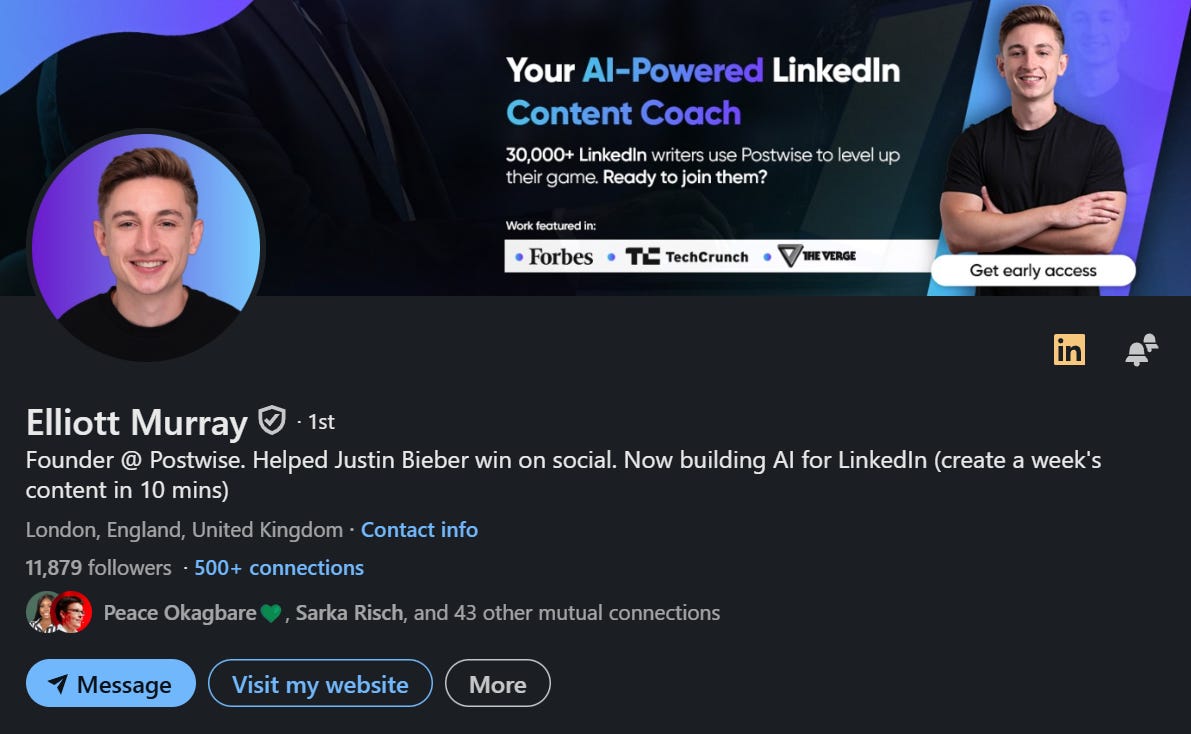
But it doesn’t just have to be about who you’ve helped…
Your difference can be:
Deep expertise in a specific area
Your values as a founder
Your unique perspectives on industry trends
Your personal story and journey
The network you’ve built and the people you associate with
My difference is simply that I help founders grow their businesses through authentic, founder-led content strategies while pulling back the curtain on the exact process.
The main point is that you MUST define your unique value proposition.
This is the foundation of everything you do.
2. Make it obvious for people who want to work with you
The harder it is for people to find the path to work with you, the fewer people will work with you.
It’s common sense, right?
But a ton of business owners still make this mistake…
Including me.
Recently, I’ve been getting a lot of messages like:
“What do you actually do?” and “How can I work with you?”
Here’s one example:

And another:
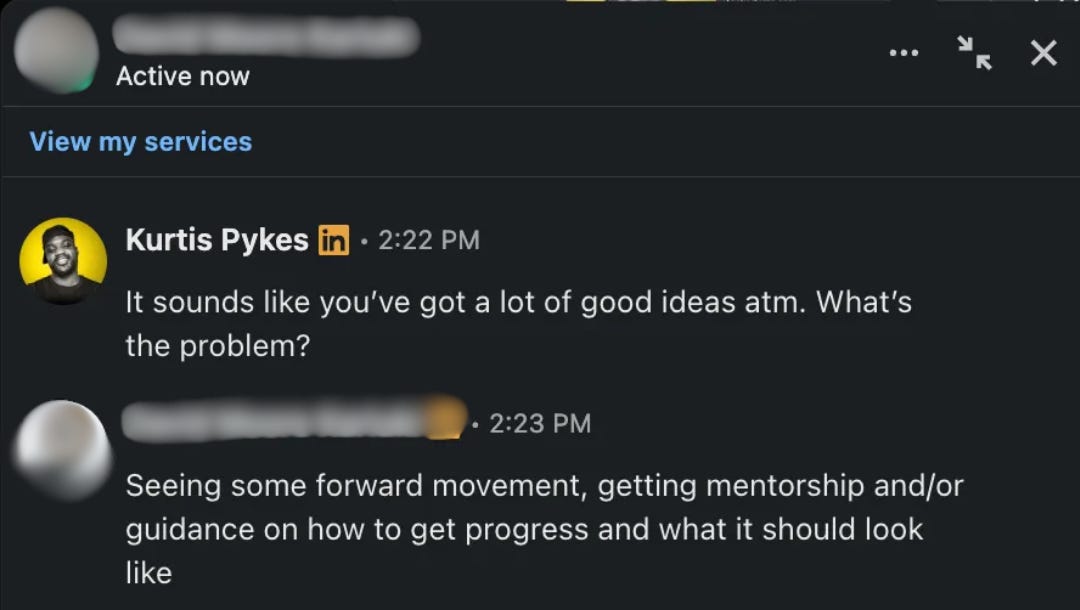
This is a clear sign your content is hitting the right emotions with people, but they don’t know what to do next when they encounter you.
Fortunately for me, many have decided to DM me for assistance.
But most people won’t do that.
So make it stupidly simple for them to know how they could work with you.
The best place to do this on LinkedIn is in your Featured section.
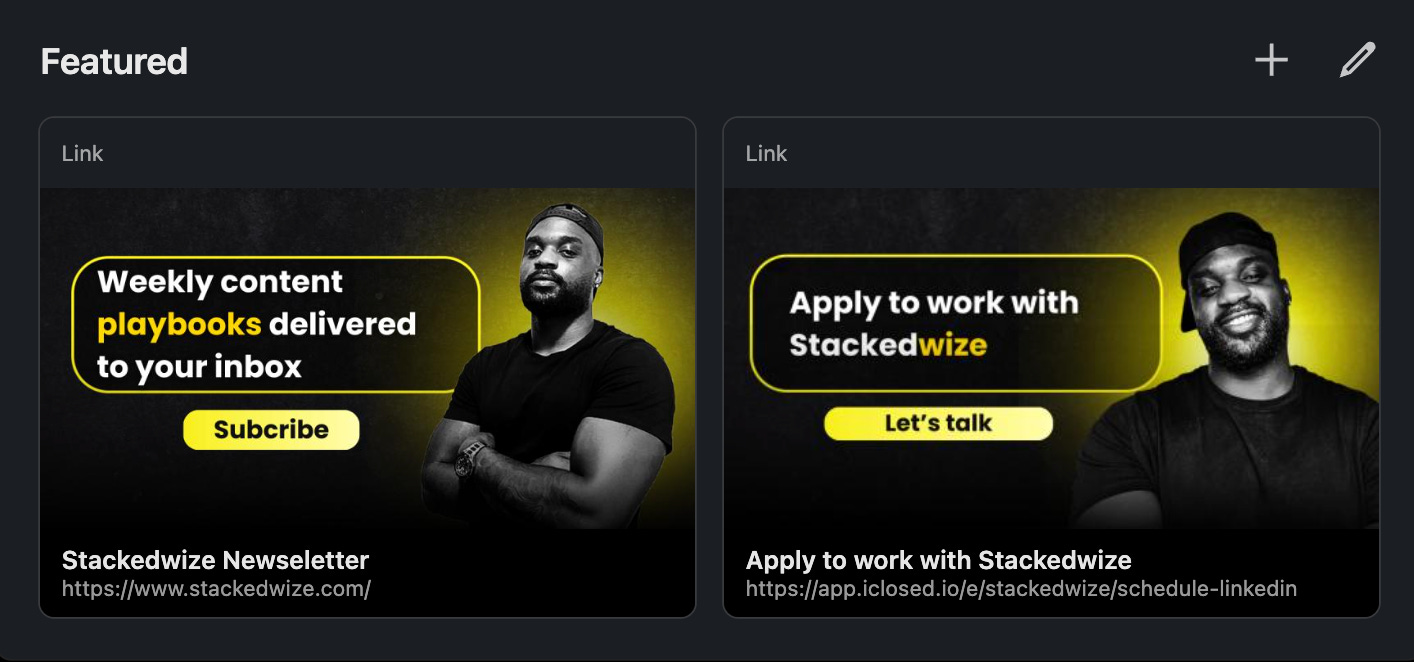
Do NOT fill it with your most popular posts.
Use it to guide action:
A link to apply
A clear breakdown of your offer
A simple “start here” resource
You can also use the Services section to reinforce what you do.
But the main point is this:
If someone is ready to work with you…
They should not have to think.
They should know exactly what to do.
3. Align your content with your offering
In the words of the Godfather of advertising, David Ogilvy, “If it doesn’t sell, it isn’t creative.”
Every post you share tells your audience:
“This is what I know.”
“This is what I care about.”
“This is what I can help you with.”
So if your content is not aligned with your offer, you’ll attract the wrong people.
Does this mean you must sell in every post?
No.
But your content should always point people toward your offer (implicitly or explicitly).
For example, if you help experts build and grow online businesses…
Your content should revolve around:
Freedom
Leverage
Ownership
It doesn’t make sense to post about:
Gym routines
Politics
Random life updates
Unless you can tie it back to building or growing an online business.
If you can’t, your positioning becomes unclear.
And when your positioning is unclear, people will either:
Put you in a box you didn’t choose
Ignore you completely
Both are outcomes you want to avoid.
Don’t fall into the trap of chasing engagement at the expense of alignment.
Focus on serving the right people…
And consistently tie your content back to what you actually sell.
4. Maintain your digital presence
Every week, the internet is obsessed with something new.
A few weeks ago, it was all ICE agents in the US.
A little after that, it was the Epstein files.
Then it was the Iran conflict.
More recently, it’s the Michael Jackson biopic.
TL;DR: Attention moves fast.
And because everything is so interconnected…
News travels even faster.
What does this mean for you?
If you’re out of sight, you’re out of mind.
People forget quickly.
Even the ones who like your content.
Even the ones who were considering working with you.
This is why consistency is a MUST.
Not just in posting… but also in presence.
You don’t need to publish every single day.
But you do need to show up every day.
For example, I post on LinkedIn 5 days a week.
On the other 2 days, I’m still:
Engaging with other people’s content
Replying to comments and DMs
Connecting with people in my ideal audience
Because visibility doesn’t only come from posting.
It comes from participation.
The goal is simple:
Be present.
Let people see your name.
Let people see your thinking.
Let people feel your presence.
The more often people see you, the more familiar you become.
And the more familiar you are, the more trustworthy you’re perceived to be.
It’s called the mere exposure effect.
This plays a major role in driving conversions.
5. Build authority through thought leadership
Before anyone buys from you, they’re asking themselves three questions:
Can I trust this person?
Do they know what they’re talking about?
Are they actually an authority in this space?
If the answer to any of these is “no”…
You’ve lost the sale.
So how do you make sure the answer is “yes”? Thought leadership.
At its core, thought leadership is simple:
It’s content that proves you know what you’re talking about.
For example, one of the fastest ways to do this is by calling out a common mistake your target audience is making…
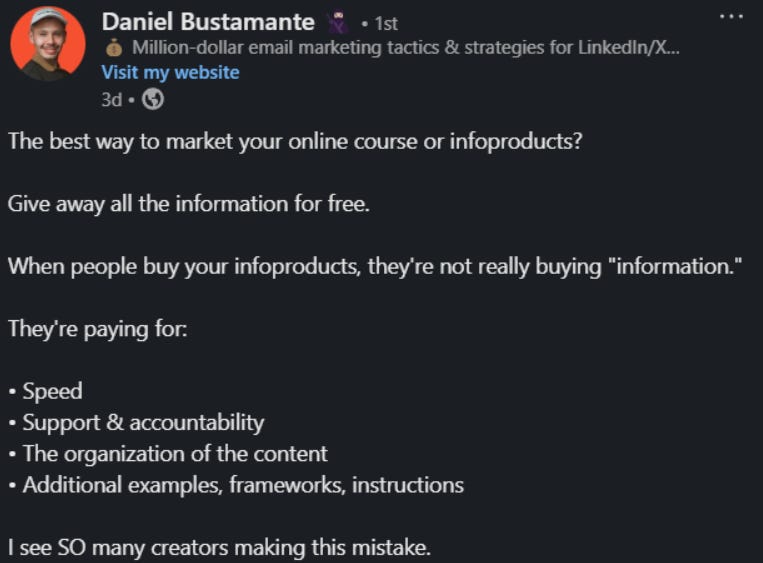
And then explain why it’s wrong.
This does two things:
It challenges their current beliefs
It positions you as someone with a better way
This is how you build authority.
Not by saying you’re good…
But by showing it.
Your audience should not have to figure out whether you know your stuff.
It should be obvious.
From how you think.
From how you explain things.
From how you break down problems.
Good thought leadership makes people think, “I can learn a lot from this person.”
Trust goes up.
Credibility goes up.
And working with you feels like the logical next step.
So don’t just post to stay visible.
Post to make your expertise undeniable.
6. Use social proof strategically
The most successful people know seeing isn’t believing.
But this isn’t the reality for the majority of the population.
They must SEE before they can believe.
This doesn’t mean you need to flex a rented Lamborghini or Rolex watch in a Miami penthouse.
You’ve just got to answer a simple question in THEIR mind:
“Has this person actually done what he’s talking about?”
The other day, someone DM’d me on LinkedIn promising to help scale my business to 7 figures.
I asked them, “Have you ever scaled a business to 7 figures before?”
They said, “No.”
And that was the end of the conversation.
But my point is people won’t always give you the chance to answer whether you’ve done what you claim to do.
So you MUST infer it in your content by subtly slipping in your results.
Real outcomes you’ve created for yourself or others.
For example:
Wins
Testimonials
Revenue milestones
Before vs after transformations
You want people sat at home (or in the office) scrolling their feed to land on your content and immediately think, “This looks like what I need.”
And the key to doing this is to constantly mention your results in your content.
Weave them into your stories
Drop them in your hooks
Constantly reinforce them
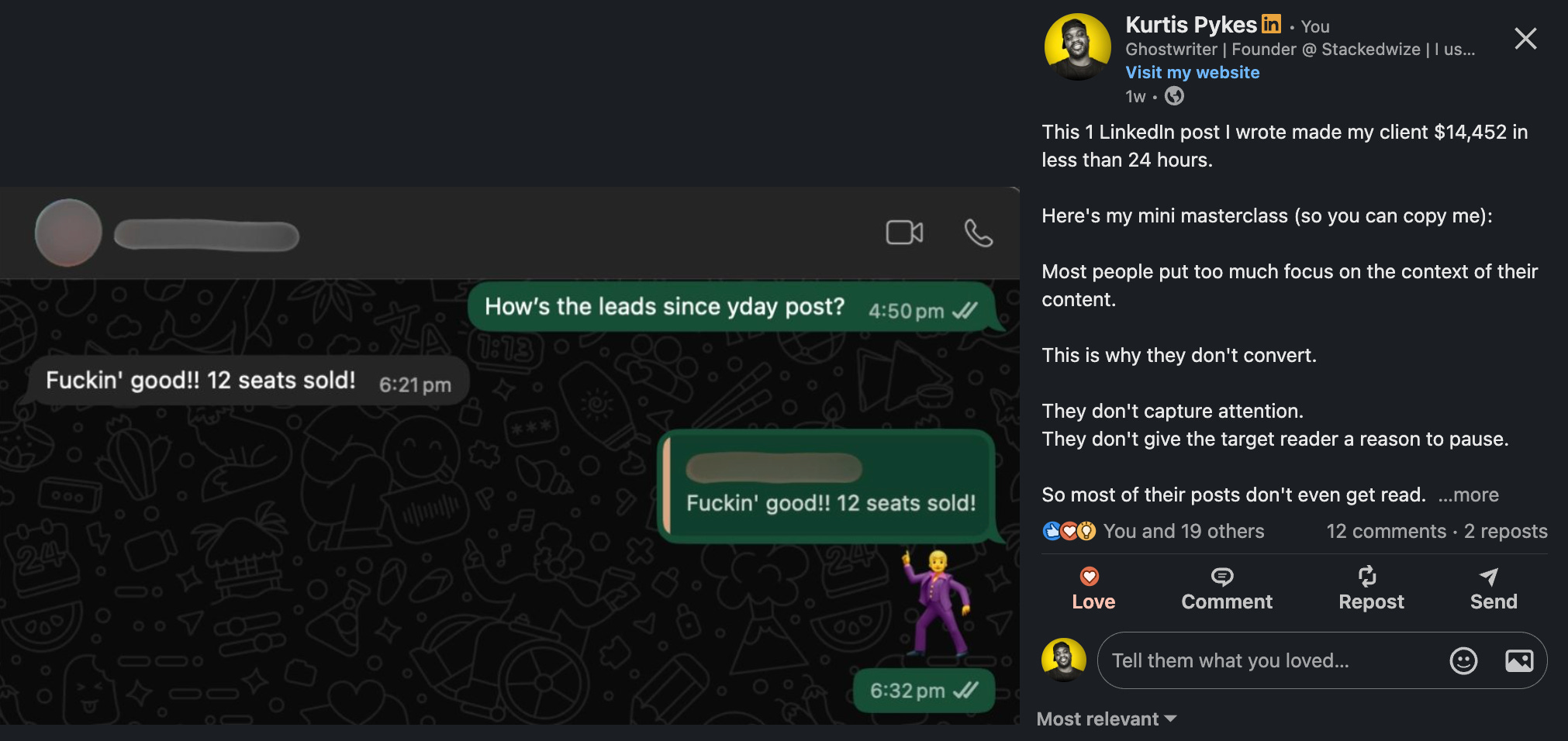
For example:
“I used this exact strategy with a client last month and they generated 12 inbound leads in a week.”
Then you can accompany this with an image of your client saying they got 12 inbound clients.
Here’s an example of me doing it:
Simple.
But extremely powerful.
Because now it’s evidence I can do what I’m talking about.
This lowers people’s guard about whatever it is I’m going to say next.
Here’s the gist:
The goal is not to impress people…
It’s to reassure them you can deliver.
Because when someone believes that…
The risk of working with you drops.
And the likelihood of them reaching out goes up.
7. Build relationships and community
Your image is shaped by the people you’re seen with.
If you’re connected with credible people in your space, people assume you to be credible.
For example, I have a client who gained over 700 followers in a day after she recorded a podcast with a well-known face in her industry.
His followers immediately trusted her because they trusted him.
This phenomenon is known as reputational transfer (or social proof - for readers of Robert Cialdini’s book Influence).
Here’s a formal definition:
Reputational transfer is the idea that the reputation of one entity can be extended to or influence another related entity. This can be a positive or negative transfer between individuals, businesses, or products.
There are many examples of this…
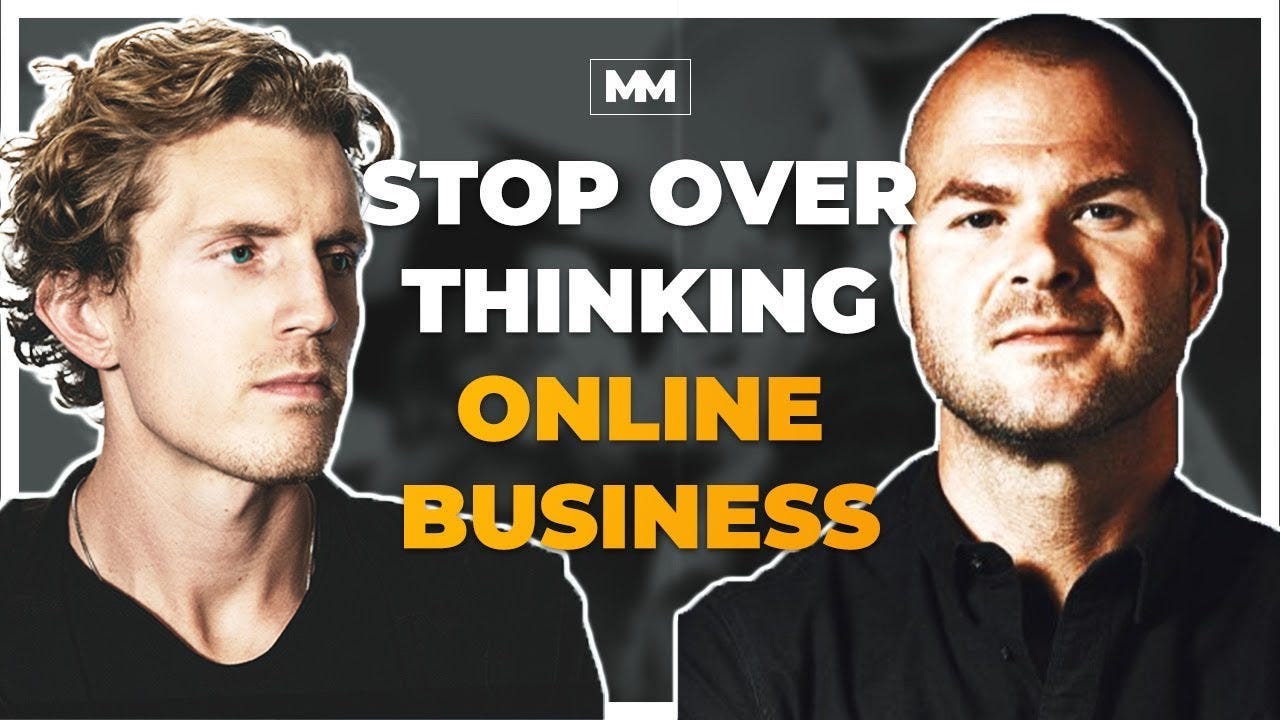
In 2022, Dan Koe, who was initially highly reputable on X, released an interview with Justin Welsh, who was highly reputable on LinkedIn.
This collaboration helped Justin fast-track his growth on X, and Dan speed up his growth on LinkedIn.
Now they both dominate on one another’s platform.
So how do you tap into these sorts of collaborations and networkS?
Engage with others in your industry
Comment on their posts
Send them a helpful DM without looking for anything in return
All of these acts tap into another principle called reciprocity.
The reciprocity principle states that people respond to positive actions with other positive ones.
Always keep that in mind.
Final thoughts
None of this is complicated.
But most people don’t do it consistently.
These 7 principles helped me 6x my revenue over the past 15 months.
If you get these right, your LinkedIn becomes an extremely valuable system to bring you clients.
Thanks for reading.
P.S. I help freelancers, solopreneurs, and coaches grow their business through LinkedIn content.
If you want help turning your profile into a lead generation asset, apply to work with me here.